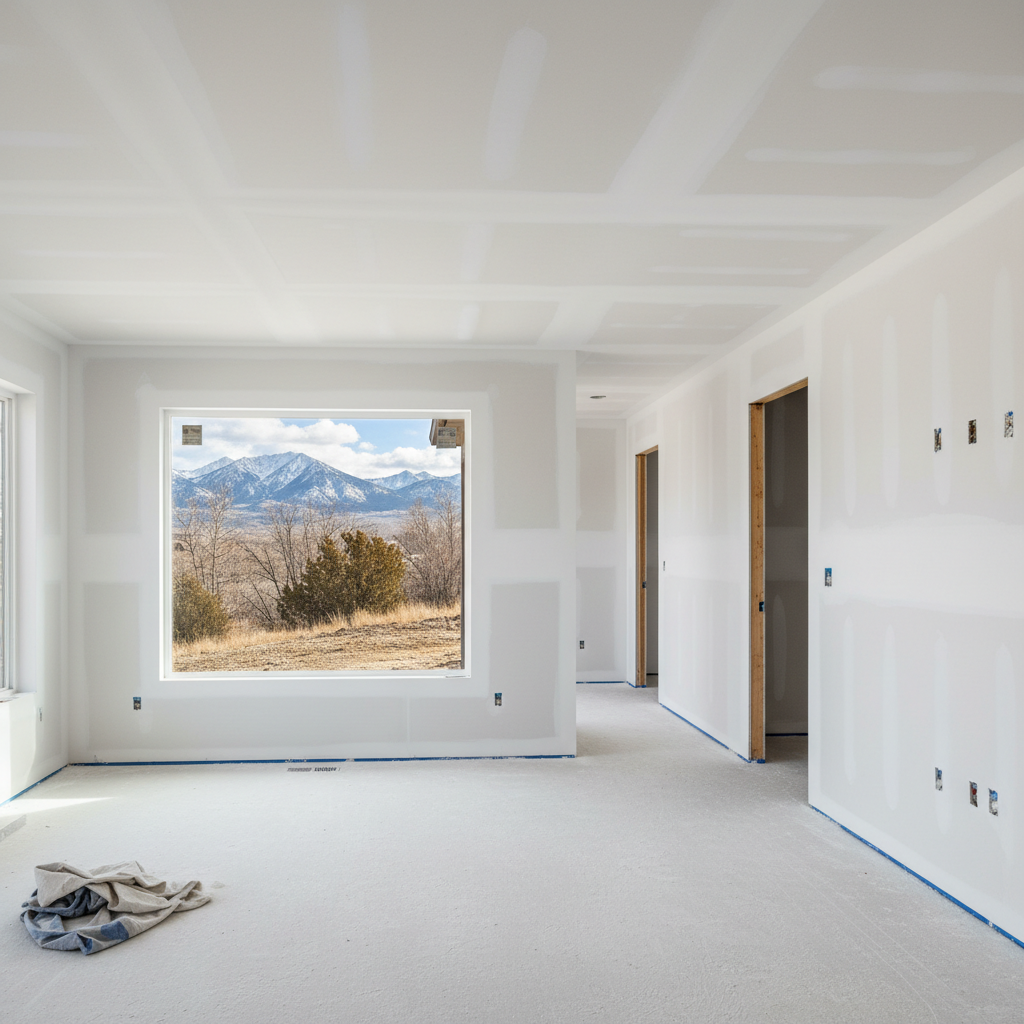
Thinking about new paint? Maybe a renovation? That usually means drywall priming. But when's the absolute best time to tackle it here in Millcreek? It's more than just slapping some primer on; the timing and conditions really make a difference in how well that primer, and your paint, holds up.
Why Timing Your Drywall Prime Matters in Utah
Look, we've got some pretty wild weather patterns here in the Salt Lake Valley. We get those scorching, dry summers, then the cold, wet winters. That kind of swing can be brutal on building materials, especially drywall, which is super sensitive to changes in moisture and temperature. If you prime your walls when it's too cold, too hot, or too humid, you're just asking for headaches later on. You could end up with peeling paint, poor adhesion, or even mildew issues, and honestly, who needs that?
The Goldilocks Zone: Ideal Conditions for Priming
When I talk to folks about priming, I always tell them to shoot for that 'just right' sweet spot. For drywall primer to cure properly and bond well, you need specific conditions. Here's what I always look for:
- Temperature: Ideally, you want both the air temperature and the surface of the drywall to be somewhere between 50°F and 85°F (10°C and 30°C). This isn't just about comfort; it's about how the primer's chemistry works. If it's too cold, the primer won't cure correctly, leaving it soft and likely to peel. Too hot, and it can dry way too fast, which means it won't stick right or you'll get nasty brush marks.
- Humidity: This is a big one, a real big one. You want humidity levels to be moderate, usually between 40% and 70%. High humidity, which we definitely see during our spring thaws or summer thunderstorms, means the primer will take forever to dry. This can lead to sagging, blistering, or even mold growth if moisture gets trapped. Low humidity, like on our dry, windy fall days, can make it dry too quickly, leading to cracking.
- Ventilation: Always, always have good airflow. Open windows, get some fans going. This helps move out moisture and fumes, and it helps the primer dry nice and evenly.
Best Seasons for Priming in Millcreek
Considering our local climate, here's how I break down the best times to get that priming done:
- Spring (Late April to Early June): This is often prime time, if you ask me. The temperatures are usually mild, and while we can get some rain, indoor humidity is generally manageable. You're past the deep winter cold, and the scorching summer heat hasn't hit yet. It's a sweet spot for sure.
- Fall (Mid-September to Late October): Another excellent window. The summer heat has broken, and the air is typically drier and cooler. You're usually still well above freezing, and the humidity levels are often ideal. Just keep an eye out for those early cold snaps.
- Summer (July & August): You can prime in summer, but you've got to be more careful. Those 90°F+ days are tough. If you're doing it, make sure your AC is running to keep indoor temperatures stable and humidity down. Avoid the hottest parts of the day, maybe do it first thing in the morning.
- Winter (November to March): This is the trickiest time. If you're doing interior work during winter, you absolutely, positively need to maintain consistent indoor heating. Don't let the house get too cold overnight. The dry air from furnaces can be good, but you still need to make sure the drywall's surface temperature isn't too low. If you've got a new build that hasn't been heated consistently, you'll need to warm it up for a few days before priming. I've seen too many issues in homes near Mount Olympus where folks tried to rush priming in unheated spaces.
Protecting Your Drywall Investment Year-Round
Priming is just one step in protecting your walls, you know. Here are a few things you can do to keep your drywall looking good long after the primer and paint are dry:
- Maintain Consistent Indoor Temperatures: Try to avoid drastic temperature swings, especially in winter. Keep your thermostat set at a reasonable level, even when you're away.
- Control Humidity: Use exhaust fans in bathrooms and kitchens. If you notice persistent dampness or condensation, a dehumidifier can be a smart investment, particularly in basements or laundry rooms.
- Address Leaks Immediately: Any water intrusion, whether from a leaky roof, a plumbing issue, or even condensation around windows, needs to be fixed fast. Drywall is like a sponge; it soaks up water, and that's when you get mold, sagging, and structural damage.
- Proper Ventilation: Ensure good airflow throughout your home. This helps prevent moisture buildup and keeps the air fresh.
Getting your drywall primed right means paying attention to the details, especially here in Millcreek where the weather likes to keep us on our toes. If you're unsure about the conditions or just want the job done right the first time, don't hesitate to give us a call at Guardian Drywall Solutions. We're always happy to help you protect your home.