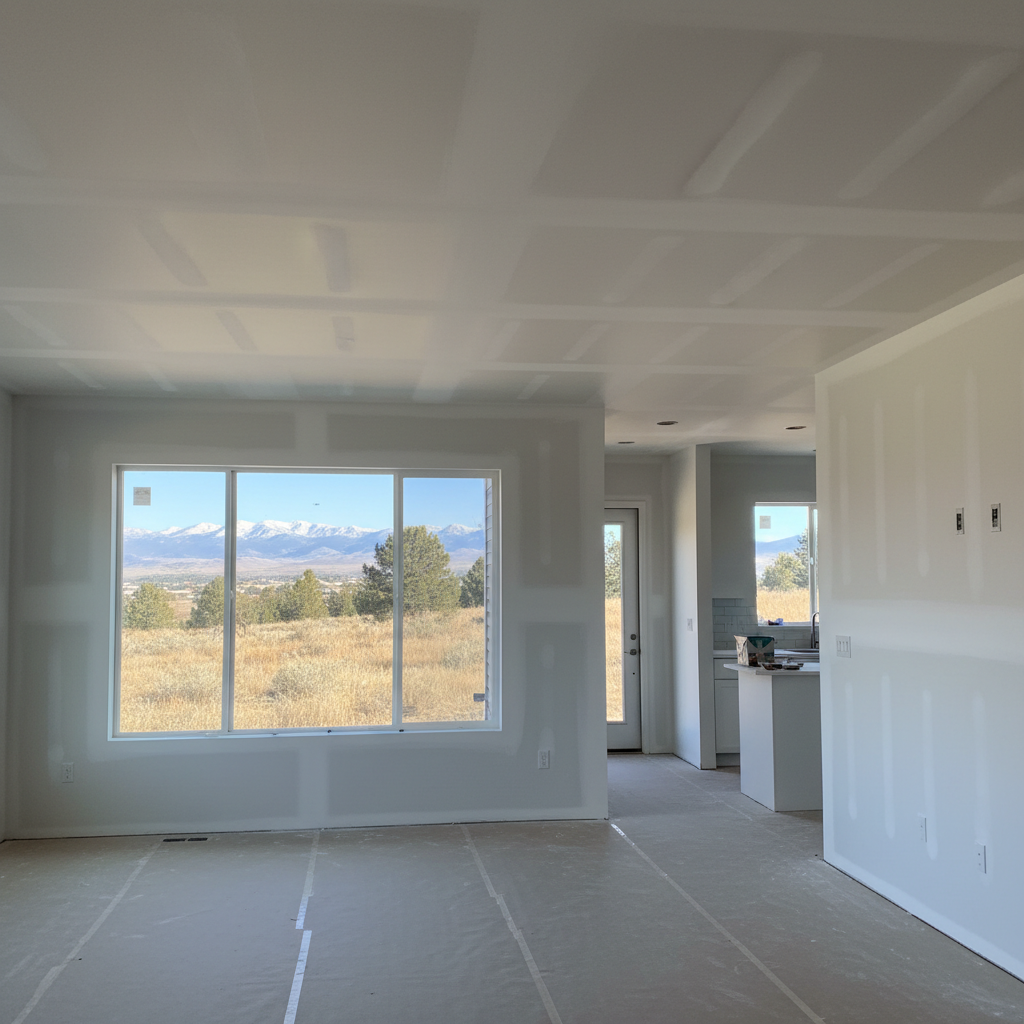
Alright, you need some drywall work done. Maybe you're finishing a basement, patching up some water damage from that winter storm, or finally getting rid of that old popcorn ceiling. Whatever it is, you're probably thinking about who to call. But how do you really know you're getting someone good, someone who won't leave you with a mess or a headache?
I've been in this business for a long time, and believe me, I've seen it all. Good contractors, bad contractors, and everything in between. Here's how I'd tell a friend to vet a drywall pro before letting them anywhere near their home.
Questions to Ask Before They Even Quote
Don't be shy. This is your house, your money. You've got every right to ask tough questions. Here are a few I'd hit them with right off the bat:
- "Are you licensed and insured? Can I see proof?" This isn't optional. In Utah, contractors need to be licensed, plain and simple. Insurance is even more critical, though. If someone gets hurt on your property, or if they damage something, you want their insurance to cover it, not yours. Don't just take their word for it; ask for the certificate of insurance directly from their insurance company.
- "How long have you been doing drywall specifically?" A general handyman might know a bit, but drywall is an art. You want someone who lives and breathes it. Experience matters, especially with the unique challenges we face here, like the occasional shifting foundations in areas like the East Bench.
- "Can you provide references from recent jobs?" And I mean recent. Not from five years ago, okay? Talk to those people. Ask them if the contractor showed up on time, stayed on budget, and if they'd hire them again.
- "Who will actually be doing the work? Your crew or subcontractors?" Some companies sub out everything. That's not always bad, but you want to know who's coming into your home and if the main contractor has properly vetted them.
- "What's your process for dust control and cleanup?" Drywall work is messy. Period. But a good contractor will have a plan to minimize dust and clean up thoroughly. Ask them to walk you through it.
What to Look For in a Quote
Getting a quote isn't just about the bottom line. It's about understanding what you're paying for. A good quote is detailed, not just a single number.
- Detailed Scope of Work: Does it clearly list everything they're going to do? How many coats of mud? What kind of finish (smooth, orange peel, knockdown)? What materials will they use, like a specific brand of drywall or type of joint compound? The more detail, the better.
- Material vs. Labor Breakdown: A good quote will separate these. This helps you understand where your money is going and makes it easier to compare bids.
- Payment Schedule: How do they want to be paid? A small deposit upfront is normal for materials, maybe 10-20%. But if they're asking for 50% or more upfront, that's a red flag. Progress payments based on completed work are standard. Final payment should only be made when you're 100% satisfied.
- Warranty Information: Do they guarantee their work? For how long? Get it in writing.
- Exclusions: What's not included? Maybe painting isn't, or removing old debris. Make sure you know so there are no surprises later.
Red Flags You Can't Ignore
Trust your gut. If something feels off, it probably is.
- Cash-only deals: This is a huge red flag. It often means they're trying to avoid taxes, and it leaves you with no paper trail if something goes wrong.
- No contract or a very vague one: A professional contractor will always provide a clear, written contract.
- High-pressure sales tactics: "Sign today or the price goes up!" Walk away. You need time to think and compare bids.
- Unsolicited offers: Someone knocking on your door saying they just finished a job down the street and noticed your drywall needs work? Be very wary.
- Price too good to be true: It usually is. Quality drywall work takes time and skill. If one bid is drastically lower than all the others, there's likely a reason, and it's probably not a good one.
- Lack of professionalism: Not returning calls, showing up late for appointments, or being generally disorganized. If they can't manage their own schedule, how will they manage your project?
Verifying Legitimacy
You've got some names, you've asked questions. Now, do your homework.
- Check their license: In Utah, you can go to the DOPL (Division of Occupational and Professional Licensing) website. Search for their business name or license number. Make sure it's active and that there are no disciplinary actions against them. This is crucial.
- Online reviews: Sites like Google, Yelp, and even local Millcreek Facebook groups can give you a lot of insight. Look for patterns in reviews, both good and bad. Don't just dismiss a few bad ones; see how the contractor responded.
- Better Business Bureau (BBB): Check their rating and see if there are any complaints filed against them.
- Ask for proof of insurance: I mentioned this before, but it's worth repeating. Get a certificate of insurance directly from their insurance carrier, not just a copy from the contractor. This confirms their policy is active and covers the right things.
- Visit a previous job (if possible): If they're doing a big project, sometimes they'll be willing to let you see a job in progress or a recently finished one. This gives you a real feel for their quality and how they operate.
Finding a good drywall contractor isn't just about getting the job done; it's about feeling secure in your choice. You want someone reliable, skilled, and honest. Here at Guardian Drywall Solutions, we pride ourselves on being transparent and doing things right. Take your time, ask the tough questions, and you'll find the right pro for your home.